Prompt Engineering for Developers: How to Write Better Prompts and Get Production-Ready AI Output (2026)
Master prompt engineering as a developer. Learn structured prompting, role prompting, output formatting, cost control, and production-ready techniques using OpenAI APIs.

Introduction: Why Prompt Engineering Is a Developer Skill
Many developers integrate AI successfully.
But they struggle with one thing:
Unstable AI output.
Sometimes it’s perfect.
Sometimes it’s useless.
The difference is not the model.
It’s the prompt.
Modern models from OpenAI (like those powering ChatGPT) are powerful — but they require structured instructions.
Prompt engineering is not magic.
It’s system design.
The Biggest Prompt Mistake Developers Make
Bad prompt:
"Write product description"
Good prompt:
"Write a persuasive 150-word SEO-optimized product description for a premium leather wallet. Include bullet points, benefits, and a call-to-action."
Specificity improves output quality dramatically.
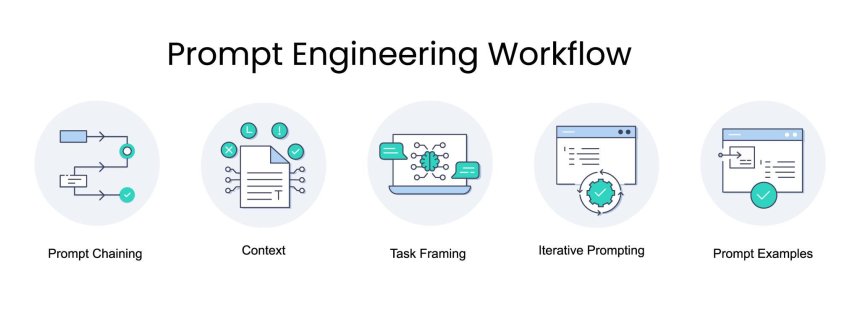
The 6 Core Prompt Engineering Techniques
1. Role Prompting
Tell the AI who it is.
Example:
This sets tone and depth.
2. Structured Instructions
Always define:
• Length
• Format
• Tone
• Audience
• Output type
Example:
- Title
- Meta description (max 160 characters)
- 5 SEO keywords
- 3 bullet points
Now output becomes predictable.
3. Use Delimiters
When sending dynamic user data:
"""
{sales_json}
"""
This avoids confusion in model reasoning.
4. Output Formatting Control
For production apps, never accept free text.
Instead request:
{
"title": "",
"description": "",
"keywords": []
}
Now your backend can parse safely.
5. Few-Shot Prompting
Provide examples.
Example:
Input: Pizza
Output: ...
Example 2:
Input: Burger
Output: ...
Now generate for:
Input: Sandwich
This stabilizes style.
6. Token Optimization
AI cost = tokens.
Reduce:
• Unnecessary context
• Repeated instructions
• Large conversation history
Only send what is required.
Production-Ready Prompt Structure Template
This is a stable structure many SaaS apps use:
You are a professional assistant specialized in {domain}.
RULES:
- Keep response under {word_limit} words
- Use simple language
- Avoid emojis
- Output strictly in JSON
USER:
{user_input}
Predictable. Clean. Scalable.
Example: AI Caption Generator (Bad vs Good Prompt)
❌ Weak Prompt
"Generate Instagram caption for coffee shop."
Output:
Generic and boring.
✅ Optimized Prompt
Generate:
- 3 engaging Instagram captions
- Include emojis
- Include 5 trending hashtags
- Tone: energetic and friendly
- Target audience: young professionals
- Keep each caption under 120 characters
Result:
High-quality, usable content.
Backend Example with Structured Prompt (Node.js)
You are a business analytics expert.
Analyze the following JSON sales data:
${JSON.stringify(salesData)}
Return strictly in JSON:
{
"summary": "",
"top_product": "",
"recommendation": ""
}
`;
const response = await fetch("https://api.openai.com/v1/chat/completions", {
method: "POST",
headers: {
"Authorization": `Bearer ${process.env.OPENAI_KEY}`,
"Content-Type": "application/json"
},
body: JSON.stringify({
model: "gpt-4o-mini",
messages: [{ role: "user", content: prompt }]
})
});
Structured input → Structured output → Easy parsing.
Prompt Versioning Strategy
In serious AI apps, never hardcode prompts randomly.
Instead:
Store prompts in database:
| id | version | prompt_template |
|---|---|---|
| 1 | v1.0 | ... |
| 2 | v1.1 | ... |
Now you can:
• Improve prompts without redeploying app
• A/B test responses
• Optimize engagement
This is professional AI product architecture.
Common Prompt Engineering Mistakes
-
Too vague
-
No output format
-
No role definition
-
Overloading context
-
No validation
AI is powerful — but it follows instructions literally.
Prompt Engineering for Different Use Cases
1. Chatbot
Focus on:
• Context retention
• Conversational tone
• Memory injection
2. Business Analytics
Focus on:
• JSON output
• Structured summary
• Actionable recommendations
3. Content Generator
Focus on:
• SEO structure
• Clear formatting
• Emotional triggers
Advanced Concept: Chain-of-Thought Control
Instead of:
“Explain solution.”
Use:
“First analyze problem step-by-step internally, then provide final answer.”
This improves logical output.
(For production, hide reasoning from user.)
Why Prompt Engineering Increases Revenue
Better prompts lead to:
• Better results
• Better user satisfaction
• Higher retention
• More subscriptions
Bad prompts = Users think AI is weak.
Good prompts = Users think your product is powerful.
Conclusion
AI models are not the product.
Your prompt design is the product.
As a developer, prompt engineering is:
• Architecture
• Optimization
• UX design
• Cost management
Master this, and your AI apps will feel premium.
Ignore it, and your AI app will feel average.
Share
What's Your Reaction?
 Like
0
Like
0
 Dislike
0
Dislike
0
 Love
0
Love
0
 Funny
0
Funny
0
 Angry
0
Angry
0
 Sad
0
Sad
0
 Wow
0
Wow
0