Production-Level AI SaaS Architecture for Developers: Scalable System Design (2026)
Learn how to design scalable AI SaaS architecture including API gateways, AI processing layers, databases, queues, and cost optimization strategies.

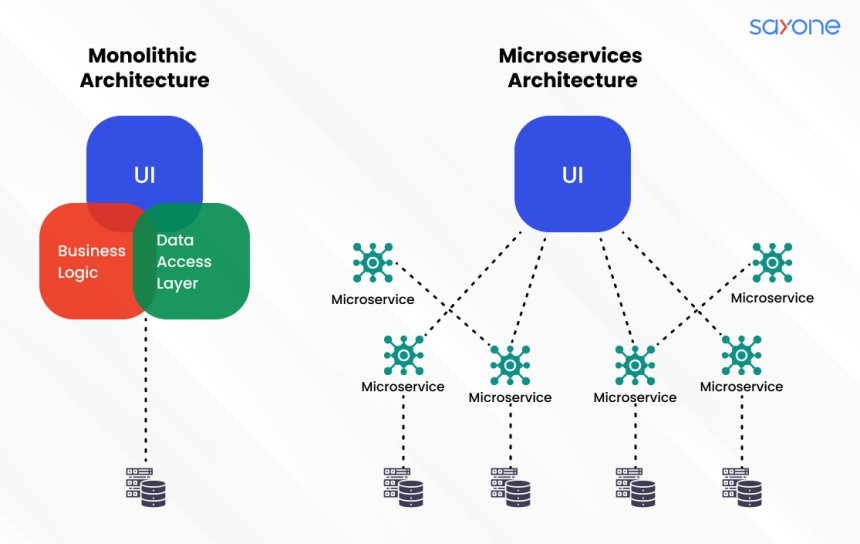
Introduction: Why AI SaaS Needs Special Architecture
Traditional SaaS architecture focuses on APIs and databases.
AI SaaS adds another complex layer:
AI processing infrastructure.
This layer must handle:
• heavy computation
• high API costs
• unpredictable workloads
• complex workflows
Organizations such as OpenAI provide powerful AI APIs that enable systems similar to ChatGPT, but developers must design backend systems carefully to maintain performance and cost efficiency.
Typical AI SaaS System Architecture
A production AI SaaS platform typically contains several layers.
User App (Mobile/Web)
↓
API Gateway
↓
Application Backend
↓
AI Processing Layer
↓
Database + Cache
↓
External AI APIs
Each layer has specific responsibilities.
Layer 1: Client Applications
Frontend may include:
• Flutter mobile apps
• Web dashboards
• Browser extensions
Responsibilities:
• user interaction
• authentication
• sending requests
Never connect frontend directly to AI APIs.
Always route through backend.
Layer 2: API Gateway
The API gateway acts as the entry point.
Responsibilities:
• authentication
• rate limiting
• request validation
• logging
Example technologies:
• Nginx
• Kong
• AWS API Gateway
This layer protects infrastructure.
Layer 3: Application Backend
Backend handles core application logic.
Typical stack:
• Node.js (Express / NestJS)
• Laravel (PHP)
• Python (FastAPI)
Responsibilities:
• user management
• billing logic
• prompt construction
• request orchestration
Example backend flow:
User request → Validate → Build prompt → Call AI → Process response.
Layer 4: AI Processing Layer
This layer manages AI workloads.
Tasks include:
• prompt generation
• AI model invocation
• task orchestration
• multi-step reasoning
Example workflow:
User request
↓
AI processing service
↓
External AI API
↓
Response transformation
This separation improves scalability.
Layer 5: Queue System (Very Important)
AI requests may take several seconds.
To prevent blocking backend servers, use queues.
Common queue systems:
• Redis Queue
• RabbitMQ
• Kafka
Example workflow:
User request
↓
Queue job created
↓
Worker processes AI request
↓
Result stored
Queues improve system reliability.
Layer 6: Database Layer
AI SaaS apps require multiple data stores.
Primary Database
Stores:
• users
• subscriptions
• billing data
Options:
• PostgreSQL
• MySQL
Vector Database
Stores embeddings for semantic search.
Examples:
• Pinecone
• Weaviate
• pgvector
Used for:
• chatbot memory
• document search
• AI knowledge base
Cache Layer
Cache reduces repeated AI calls.
Technologies:
• Redis
• Memcached
Example:
Frequently generated responses can be cached.
Example AI SaaS Request Flow
User → Mobile App
↓
API Gateway
↓
Backend Service
↓
Queue System
↓
AI Worker
↓
AI API
↓
Database + Cache
↓
Response returned
This architecture supports thousands of users.
Example: Node.js AI Worker
const prompt = job.data.prompt;
const response = await callAI(prompt);
await saveResult(job.data.userId, response);
}
Workers handle heavy AI processing separately.
Cost Optimization Strategies
AI APIs can become expensive quickly.
Developers should implement:
• caching of responses
• token usage limits
• prompt compression
• batching AI requests
Monitoring usage per user is essential.
Monitoring & Observability
Production AI systems must include monitoring tools.
Track:
• request latency
• token usage
• error rates
• AI costs
Popular tools:
• Prometheus
• Grafana
• Datadog
These tools help maintain performance.
Security Layers
AI SaaS architecture must include security protections.
Key elements:
• API authentication (JWT/OAuth)
• rate limiting
• prompt validation
• output moderation
Never expose AI API keys publicly.
Always route through backend services.
Scaling AI Infrastructure
When traffic increases, scale these layers:
• AI worker nodes
• queue processing capacity
• database replicas
• cache clusters
Cloud platforms like AWS, GCP, and Azure simplify scaling.
Real Example: AI Content Generation SaaS
Architecture might include:
Flutter Web Dashboard
↓
API Gateway
↓
Node.js Backend
↓
Redis Queue
↓
AI Workers
↓
OpenAI API
↓
PostgreSQL Database
↓
Redis Cache
This supports thousands of content generation requests.
Mistakes Developers Make When Building AI SaaS
1 Calling AI directly from frontend
2 No request queues
3 No caching layer
4 No cost tracking
5 No rate limiting
These mistakes cause system instability.
Future of AI SaaS Architecture
Modern AI platforms will evolve toward:
• microservices AI architecture
• distributed AI workers
• intelligent automation pipelines
Developers who understand system architecture will build reliable AI products.
Conclusion
Building AI SaaS applications requires more than just calling an AI API.
Developers must design systems with:
• scalable architecture
• queue processing
• cost management
• monitoring tools
A well-designed architecture ensures that AI products remain fast, reliable, and profitable as they grow.
Share
What's Your Reaction?
 Like
0
Like
0
 Dislike
0
Dislike
0
 Love
0
Love
0
 Funny
0
Funny
0
 Angry
0
Angry
0
 Sad
0
Sad
0
 Wow
0
Wow
0