Building AI Agents for Developers: From Simple Chatbot to Autonomous System (2026 Guide)
Learn how developers can build AI agents with memory, tools, reasoning, and automation using modern AI APIs. Step-by-step guide with architecture, examples, and real SaaS ideas.

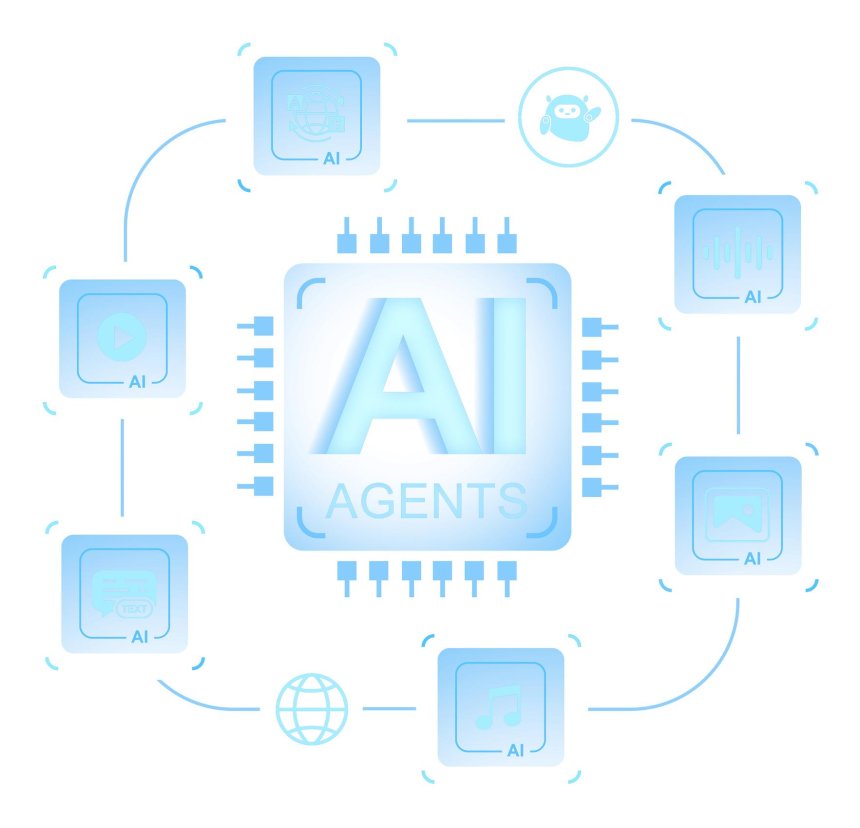
Introduction: What Exactly Is an AI Agent?
Most developers think AI = chatbot.
That’s outdated thinking.
An AI agent is a system that:
• Understands input
• Decides what action to take
• Uses tools (APIs, database, functions)
• Stores memory
• Executes tasks automatically
Tools from OpenAI and frameworks like LangChain make it possible to build agents without deep ML expertise.
If you’re building SaaS in 2026, AI agents are the next upgrade.
Chatbot vs AI Agent (Clear Difference)
Chatbot
User asks → AI responds.
That’s it.
AI Agent
User asks → AI thinks → AI decides action → Calls tools → Stores memory → Returns result.
Big difference.
Example:
User: “Send follow-up message to customers who haven’t paid invoice.”
Chatbot → Generates message text.
AI Agent →
• Fetches unpaid invoices from DB
• Generates personalized messages
• Sends via WhatsApp API
• Logs activity
That’s automation.
Core Components of an AI Agent
Every serious AI agent has 4 parts.
1. Brain (LLM)
This is the reasoning engine.
Example providers:
• OpenAI
• Google AI
• Anthropic
The model decides what to do.
2. Tools (Functions / APIs)
These are external capabilities.
Examples:
• Send email
• Create invoice
• Query database
• Call payment API
Without tools, the agent is just text generation.
3. Memory
Memory makes AI powerful.
Types:
• Short-term memory (current session)
• Long-term memory (stored in DB)
Example:
Agent remembers user’s preferred language or pricing plan.
4. Executor
This is your backend logic.
Node.js / Laravel handles:
• API calls
• Database writes
• Authentication
• Permission control
AI decides.
Backend executes safely.
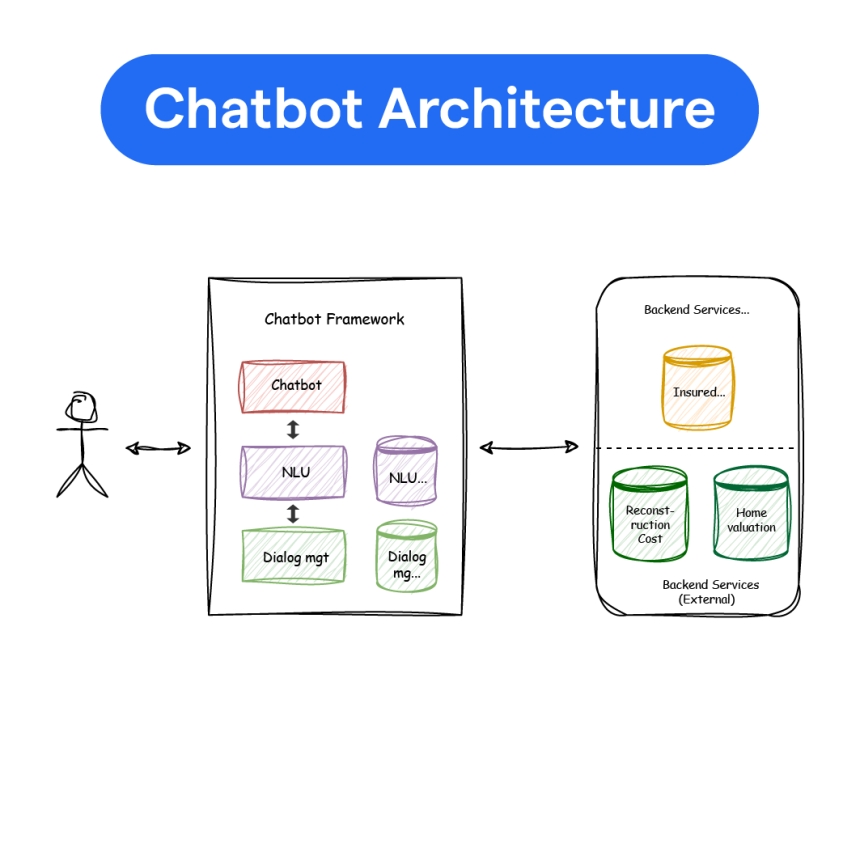
Simple AI Agent Architecture
User → Backend → AI Model
AI → Decides tool call → Backend executes tool
Backend → Returns result → AI formats final response → User
Clean and scalable.
Example: Basic AI Agent with Tool Calling (Node.js)
Concept:
User: “Create invoice for Ravi for ₹1500.”
Step 1 – Define Tool
Step 2 – Send to AI
AI analyzes request and returns:
Step 3 – Execute in Backend
Now your AI is performing real business logic.
Where Developers Can Use AI Agents
1. POS Automation
AI Agent can:
• Detect low stock
• Auto-create purchase order
• Notify supplier
2. CRM Automation
AI Agent can:
• Identify cold leads
• Send follow-up
• Schedule meetings
3. Social Media Management SaaS
AI Agent can:
• Generate post
• Schedule content
• Analyze engagement
• Suggest improvements
Advanced Feature: Multi-Step Reasoning
With frameworks like LangChain, agents can:
• Break complex tasks into steps
• Use multiple tools sequentially
• Re-evaluate results
Example:
“Analyze last 3 months sales and suggest best marketing strategy.”
Agent will:
-
Fetch sales data
-
Analyze patterns
-
Generate strategy
-
Format report
This is autonomous intelligence.
Memory Implementation Example
Store user preferences in database:
Next time user interacts, include memory in prompt.
Now agent feels personalized.
Cost Optimization Strategy
AI agents can become expensive if unmanaged.
Best practices:
• Limit tool usage
• Control prompt size
• Cache results
• Use smaller models for simple tasks
• Track token usage per user
Always connect usage to subscription limits.
Security Considerations
Very important.
Never allow AI to:
• Directly access database
• Execute raw SQL
• Access system files
• Call unsafe APIs
Always:
AI suggests → Backend validates → Backend executes.
Developers remain in control.
Real AI Agent SaaS Ideas (High Potential)
-
AI Business Manager (Small shops)
-
AI WhatsApp Sales Assistant
-
AI Customer Support Automation
-
AI Marketing Automation Agent
-
AI Recruitment Screening Agent
These are scalable subscription businesses.
Why AI Agents Will Dominate 2026–2030
Static apps are boring.
Automation-driven apps save time and money.
Businesses will pay for:
• Time reduction
• Labor automation
• Smart decisions
AI agents provide all three.
Conclusion
If you’re a developer building apps in 2026:
Stop building passive tools.
Start building autonomous systems.
AI agents are not science fiction.
They’re just:
LLM + Tools + Memory + Execution layer.
Build small.
Automate one task.
Improve gradually.
That’s how modern AI products are created.
Share
What's Your Reaction?
 Like
0
Like
0
 Dislike
0
Dislike
0
 Love
0
Love
0
 Funny
0
Funny
0
 Angry
0
Angry
0
 Sad
0
Sad
0
 Wow
0
Wow
0