Complete AI Course for Developers: Step-by-Step Roadmap to Master AI in 2026
A complete step-by-step AI learning roadmap for developers in 2026. Learn AI from basics to advanced, including APIs, agents, SaaS, and real-world projects.

Introduction: How Developers Should Learn AI in 2026
Most developers think learning AI means:
• studying heavy mathematics
• learning complex machine learning algorithms
That was true earlier.
But in 2026, things have changed.
With tools from OpenAI and systems like ChatGPT, developers can build AI-powered applications without deep ML expertise.
This roadmap focuses on:
Practical AI for developers (build → ship → monetize)
Phase 1: AI Fundamentals (1–2 Weeks)
Goal: Understand concepts, not theory overload.
Topics to Learn
• What is AI
• Machine Learning basics
• NLP (Natural Language Processing)
• LLM (Large Language Models)
• Tokens & embeddings
What You Should Achieve
✔ Understand how AI models work
✔ Know difference between ML and LLM
✔ Understand prompt-response flow
Phase 2: AI API Integration (2–3 Weeks)
Goal: Start building real AI features.
Learn:
• OpenAI API basics
• Request/response structure
• Prompt design
• Token usage
First Project
Build:
AI text generator API
Features:
• input prompt
• AI response
• simple UI
Phase 3: Prompt Engineering (1–2 Weeks)
Goal: Improve AI output quality.
Learn:
• role prompting
• structured prompts
• JSON output formatting
• few-shot prompting
Practice Project
Build:
AI caption generator
Add:
• tone selection
• output format control
Phase 4: Backend AI Architecture (2–4 Weeks)
Goal: Build production-ready systems.
Learn:
• Backend integration (Node.js / Laravel)
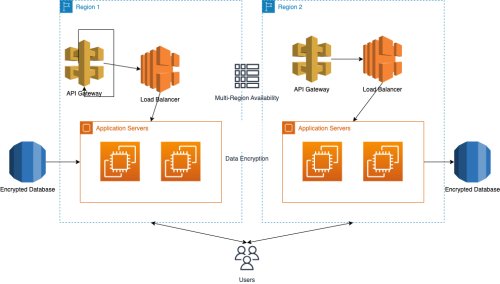
• API gateway
• authentication
• logging
Project
Build:
AI SaaS backend
Features:
• user login
• credit system
• usage tracking
Phase 5: AI Chatbot with Memory (2–3 Weeks)
Goal: Build intelligent conversational systems.
Learn:
• conversation storage
• memory injection
• vector databases
• embeddings
Project
Build:
AI chatbot with long-term memory
Features:
• chat history
• user preferences
• contextual responses
Phase 6: AI Agents & Automation (3–4 Weeks)
Goal: Build autonomous AI systems.
Learn:
• tool calling
• task planning
• multi-step reasoning
• automation workflows
Frameworks like LangChain can help manage complex workflows.
Project
Build:
AI automation system
Example:
• detect business issue
• generate solution
• execute action
Phase 7: AI SaaS Development (3–6 Weeks)
Goal: Build a monetizable product.
Learn:
• SaaS architecture
• subscription model
• payment integration
• scaling AI systems
Project
Build:
AI SaaS product
Examples:
• AI content generator
• AI business assistant
• AI marketing tool
Phase 8: Cost Optimization & Scaling (2 Weeks)
Goal: Make AI app profitable.
Learn:
• token optimization
• caching
• rate limiting
• model selection
Outcome
✔ Reduce AI cost
✔ Increase profit margin
✔ Scale to thousands of users
Phase 9: AI Security & Production Readiness (1–2 Weeks)
Goal: Build safe AI systems.
Learn:
• prompt injection protection
• API security
• output moderation
• logging & monitoring
Final Capstone Project
Build a complete AI SaaS app with:
• Flutter frontend
• Backend API
• AI integration
• subscription model
• automation features
This project should be production-ready.
Tools You Should Learn
Programming
• JavaScript / Node.js
• Dart (Flutter)
• Python (optional)
AI Tools
• OpenAI API
• HuggingFace
• vector databases
Backend Tools
• Redis (cache)
• PostgreSQL / MongoDB
• Queue systems
Learning Timeline Summary
| Phase | Duration |
|---|---|
| Fundamentals | 1–2 weeks |
| API Integration | 2–3 weeks |
| Prompt Engineering | 1–2 weeks |
| Backend | 2–4 weeks |
| Chatbot | 2–3 weeks |
| Agents | 3–4 weeks |
| SaaS | 3–6 weeks |
| Optimization | 2 weeks |
| Security | 1–2 weeks |
Total: ~3 to 4 months
Why This Roadmap Works
This roadmap focuses on:
• practical development
• real-world projects
• monetization mindset
Instead of:
• heavy theory
• academic ML
Developers learn by building.
Career Opportunities After This
After completing this roadmap, you can:
• build AI SaaS products
• freelance AI development
• create startup
• work as AI engineer
AI skills are highly in demand.
Conclusion
AI is no longer a niche field.
It is becoming a core part of software development.
Developers who follow a structured roadmap and build real projects can quickly become proficient in AI.
Start small.
Build consistently.
Focus on real applications.
That’s how you master AI in 2026.
Share
What's Your Reaction?
 Like
0
Like
0
 Dislike
0
Dislike
0
 Love
0
Love
0
 Funny
0
Funny
0
 Angry
0
Angry
0
 Sad
0
Sad
0
 Wow
0
Wow
0